Shop the picks on Amazon: Rode PodMic → Shure SM7B → Shure MV7+ → Rode PodMic USB →
As an Amazon Associate we earn from qualifying purchases.
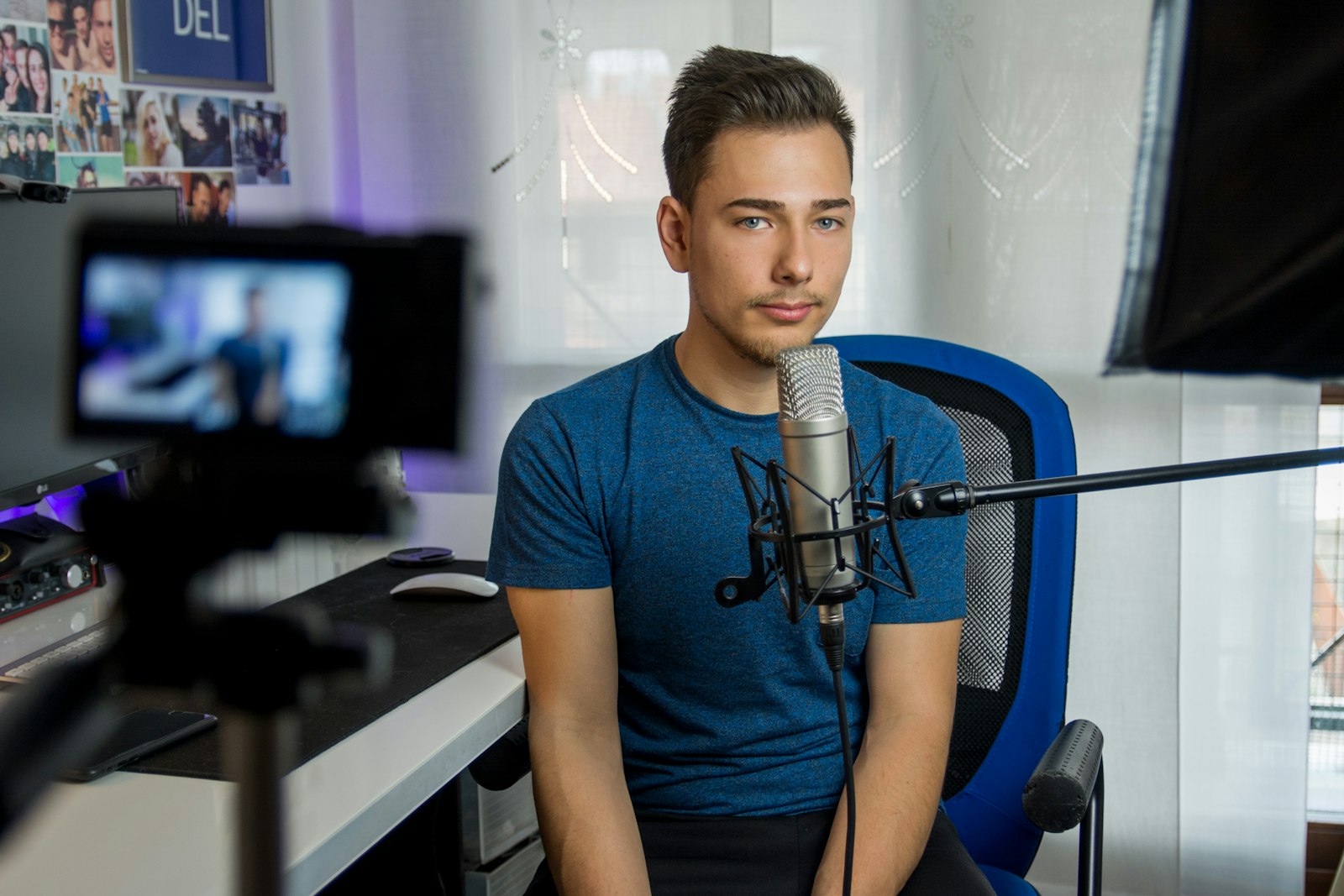
Audio is the one part of a podcast that listeners will not forgive. They will tolerate an imperfect edit or a slow segment, but bad audio makes them close the tab within seconds. The microphone is the foundation of that audio, and the podcasting category has its own requirements distinct from a general YouTube mic: dynamic capsules that reject room noise, broadcast-style voicing, and rigs built for boom arms and multi-host shows. We compared six of the most-recommended podcasting microphones on published specs and pricing to find which deliver professional sound and which are overpriced for what they do. If you also film your podcast, pair this with our microphone guide for YouTube, which covers the on-camera and lavalier angle.
Audio is the one part of a podcast that listeners will not forgive.LensPOV / why the mic comes first
A good podcasting microphone is a dynamic microphone with a cardioid pattern that captures a close voice while rejecting room noise. Podcasters usually record in untreated rooms, so the mic's ability to ignore keyboard clicks, echo, and background hum matters more than the wide frequency response a studio condenser offers. That is the core reason the dynamic SM7B and PodMic dominate the category over sensitive condensers.
The second factor is gain demand. Some dynamic mics, the SM7B in particular, output a quiet signal that needs a high-gain preamp or an inline booster like a Cloudlifter to sound right. A mic that needs extra gear costs more than its sticker price, which is why total setup cost is part of every recommendation below.
XLR and USB describe how the microphone connects, and the choice shapes your whole setup. XLR microphones connect to an audio interface or mixer, giving you room to upgrade your preamp and run multiple mics for multi-host shows. USB microphones plug straight into a computer for plug-and-play simplicity, which suits solo podcasters who want zero setup friction.
The modern answer for many podcasters is a hybrid mic that offers both, such as the Shure MV7+ or the Rode PodMic USB. You start on USB simplicity and switch to XLR when you add hosts or upgrade your interface, without buying a new microphone. That flexibility is why the hybrids rank so well for creators who are unsure where their show is headed.
If your show records straight into a computer, our guide to the best USB podcast microphones for computer recording prices nine USB mics on the makers' own stores, and found the two cheapest both carry an XLR output too.
The six microphones span the broadcast standard, the value champion, the hybrids, and the budget end. Each card names the price, the standout trait, and who should buy it.
The Rode PodMic is the smartest first podcasting microphone for most creators, delivering roughly 90 percent of the SM7B's quality at a quarter of the price. It is a cardioid dynamic XLR mic with an internal pop filter and a broadcast-style sound that needs far less gain than the SM7B. Strengths: price, built-in pop filter, low gain demand. Weakness: XLR-only, so you need an interface. Best for: beginners and multi-person podcasts that want professional sound without the financial stretch.
Check current price → Check price on Amazon →The Shure SM7B is the broadcast gold standard, delivering unmatched vocal warmth and a durability that lasts decades. It is the mic behind countless professional studios and podcasts. The catch is gain: it outputs a quiet signal that needs a high-gain interface or a Cloudlifter, pushing the full rig to roughly $580 to $830. Strengths: warmth, rejection, durability, pedigree. Weakness: high gain demand and total cost. Best for: established podcasters who want the standard and have the budget.
Check current price → Check price on Amazon →The Shure MV7+ is the best hybrid microphone, offering both USB and XLR connections so you can start plug-and-play and move to an interface later. It carries Shure's voicing in a more forgiving, lower-gain package than the SM7B, with onboard processing for USB users. Strengths: dual connection, Shure sound, easy setup. Weakness: pricier than a pure USB mic. Best for: solo podcasters who want a clear upgrade path without rebuying.
Check current price → Check price on Amazon →The Rode PodMic USB brings the PodMic's broadcast sound to a dual XLR-and-USB body, making it the best budget hybrid. It plugs straight into a computer for solo recording and into an interface when you scale up. Strengths: PodMic voicing, dual connection, fair price. Weakness: USB onboard features are lighter than the MV7+. Best for: budget-conscious solo podcasters who want a future XLR path.
Check current price → Check price on Amazon →Two further options round out the field. The Electro-Voice RE20 is a broadcast-radio classic in the SM7B price tier, favored for its flat, natural voicing and a Variable-D design that resists proximity boom. The Elgato Wave DX is a budget XLR dynamic aimed at streamers who also podcast, pairing well with Elgato's audio software. Both are credible, but the four cards above cover the value, standard, and hybrid decisions without redundancy.
Broadcast standard
Shure SM7B
The gold standard, if you can drive it
Best value
Rode PodMic
About 90% of the sound at a quarter of the price
Price is the clearest differentiator in this category, and the gap is dramatic: the SM7B costs more than four times the PodMic while delivering a sound difference most listeners cannot identify on a finished episode. The bar chart below shows microphone-only price so the value picture is unmistakable.
Translation: the PodMic is roughly a quarter of the SM7B's price for about 90 percent of the audible result on a podcast. The premium you pay for the SM7B buys durability, pedigree, and a marginal warmth most audiences never notice.
| Feature | PodMic | SM7B | MV7+ | PodMic USB |
|---|---|---|---|---|
| XLR connection | ✓ | ✓ | ✓ | ✓ |
| USB connection | ○ | ○ | ✓ | ✓ |
| Built-in pop filter | ✓ | ✓ | ◐ | ✓ |
| Low gain demand | ✓ | ○needs boost | ✓ | ✓ |
| Plug-and-play | ○ | ○ | ✓ | ✓ |
| Lowest price | ✓$90 | ○$395 | ◐ | ◐ |
The full setup cost is the number that actually decides your budget, because the microphone is only one line item. A complete Rode PodMic rig runs roughly $215 to $365verified May 2026 including the mic, an audio interface, an XLR cable, and a boom arm. A complete Shure SM7B rig runs roughly $580 to $830verified May 2026 because it needs a higher-gain interface or a Cloudlifter on top of the same accessories.
Budget for the boom arm and interface from the start. A common beginner mistake is buying the SM7B for its reputation, then discovering the cheap interface cannot drive it, and spending another $150 to fix the audio. The PodMic sidesteps that trap entirely because it needs far less gain.
For a show with co-hosts, multiply by the number of seats: our multi-guest setup guide found a four-person RODECaster Pro II setup costs less per seat than a two-person one.
The accessories are not optional extras; they shape the sound as much as the mic does. A sturdy boom arm lets you position the capsule consistently at the right distance, which matters because dynamic mics are sensitive to how close you speak. A pop filter, built into the PodMic and SM7B but separate on some rigs, tames plosive bursts on hard consonants. And the interface is where your gain lives: a cheap unit with noisy preamps will undermine even the best microphone, so spend proportionally rather than putting the entire budget into the mic and starving the chain that feeds it. The right way to think about it is that you are buying a signal chain, and the chain is only as good as its weakest link.
The value math: the Rode PodMic at $90 delivers roughly 90 percent of the Shure SM7B's sound, and its full rig runs $215 to $365 against the SM7B's $580 to $830. The premium buys durability and pedigree, not a difference most listeners can hear on a finished episode.
Your full mic rig is likely deductible. See what your channel could earn back.
Open the revenue projector →The right microphone depends on your connection preference and budget, not on which one a famous podcaster uses. The decision tree below walks the four most common cases to a single pick.
Both of these are tax-deductible business expenses once your podcast earns income, often fully in the purchase year. Our friends at CeoCult cover self-employed equipment deductions, and our own creator tax deductions guide walks the Section 179 angle for gear like this.
The exact gear and software stack we recommend at every channel stage, in one printable sheet.
The Shure SM7B at around $395 remains the gold-standard podcasting microphone in 2026 for vocal warmth and durability, but the Rode PodMic at around $90 delivers roughly 90 percent of that quality at a quarter of the price. For most new podcasters the PodMic is the smarter buy; the SM7B is for those who want the broadcast standard and have the budget and a clean interface to drive it.
The SM7B is worth it for podcasters who want the broadcast standard and will keep it for years, but it demands a clean preamp with high gain, often a Cloudlifter or an interface with 60dB-plus gain, which pushes the full setup to roughly $580 to $830. If your budget is tight or you want plug-and-play simplicity, a PodMic or an MV7+ delivers professional sound for far less.
USB microphones are best for solo podcasters who want plug-and-play simplicity, while XLR microphones are best for multi-host shows and creators who want to upgrade their interface and preamp over time. Hybrid mics like the Shure MV7+ and Rode PodMic USB offer both connections so you can start on USB and move to XLR later without buying a new microphone.
A complete Rode PodMic setup runs roughly $215 to $365 including the mic, an interface, a cable, and a boom arm, while a full Shure SM7B setup runs roughly $580 to $830 because it needs more gain and accessories. Budget for the boom arm and interface from the start; the microphone alone is only part of the cost.
If you run your podcast as a business and earn income from it, audio equipment used primarily for the business is generally a deductible expense, often fully in the purchase year under Section 179. Keep the receipt and document business use. Confirm treatment with a tax professional before filing.
For most podcasters, the Rode PodMic at $90 is the smartest buy, delivering about 90 percent of the broadcast-standard sound at a quarter of the price and demanding far less gain. Step up to the Shure SM7B at $395 only if you want the pedigree and can drive it with a clean, high-gain interface, budgeting $580 to $830 for the full rig. If you want USB simplicity with an XLR upgrade path, the Shure MV7+ at $279 or the Rode PodMic USB at $199 are the right hybrids. Budget the whole rig, not just the mic, and remember the gear is likely deductible once your show earns income. For the hosting side of launching a podcast, see our friends-tested picks in the video podcast hosting guide.
What a creator may publish, monetise or reuse is governed by published rules rather than by any platform's help centre summary, and the sources below are the primary ones. They are linked so a reader can check a claim here directly.
This page describes tools and the rules that apply to using them. Platform terms change often, and a creator's own agreements decide what applies to them.