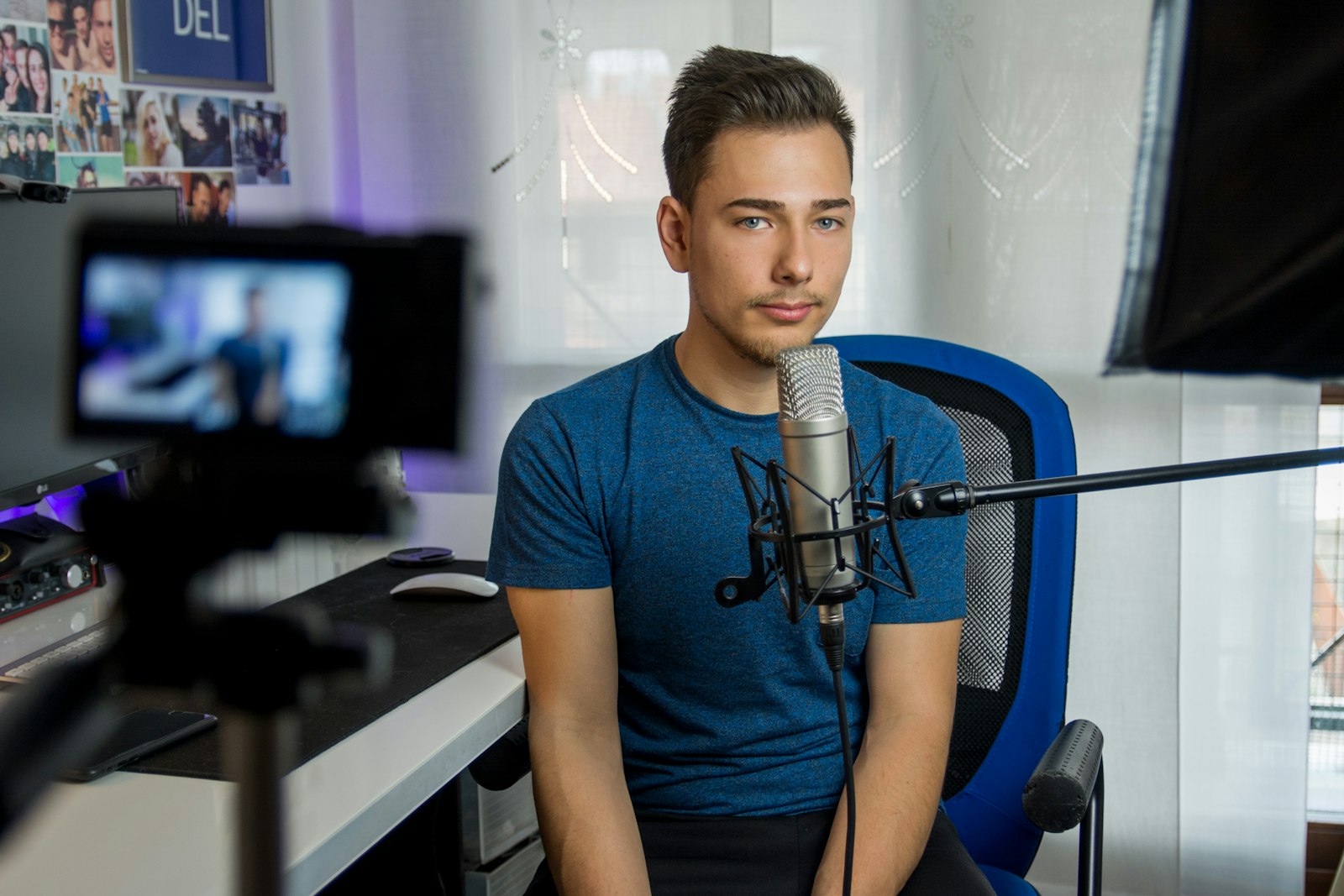
Audio is the highest-ROI upgrade a new YouTube creator can make. We tested 8 microphones across four budget tiers and the verdict is consistent: most new creators massively over-spend on the microphone and massively under-spend on the room. For broader context, see our 2026 best YouTube tools roundup and our best cameras for beginners guide, both of which assume you have audio sorted.
| Microphone | Type | Price | Best for | Rating |
|---|---|---|---|---|
| FIFINE K669B | USB condenser | $28 | Absolute beginner, quiet room | 7.5/10 |
| Maono PD200X | USB / XLR dynamic | $60 | Budget upgrade path | 8.0/10 |
| Samson Q2U | USB / XLR dynamic | $70 | Best overall under $100 | 8.6/10 |
| Rode NT-USB Mini | USB condenser | $99 | Voice-over in treated room | 8.1/10 |
| Blue Yeti Nano | USB condenser | $99 | Streamers, multi-pattern | 7.8/10 |
| Rode PodMic USB | USB / XLR dynamic | $199 | Best dynamic under $200 | 9.0/10 |
| Shure MV7+ | USB / XLR dynamic | $279 | Hybrid USB-XLR with auto-level | 9.0/10 |
| Shure SM7dB | XLR dynamic | $499 | Long-term endgame | 9.4/10 |
The FIFINE K669B is a USB condenser that costs less than dinner for two but sounds dramatically better than any laptop or webcam microphone. Plug-and-play USB, a metal body that does not feel disposable, and a mute button on the front. The downside is the downside of every condenser at this price: it picks up everything in your room.
If your room is carpeted, has soft furniture, and you record after the household is asleep, it will sound clean. If you record in a hardwood-floor home office with a window AC unit, every other word will be drowned in handling noise.
Buy this if your budget is under $50 and you have a quiet room, or if you want to start publishing this week and upgrade in 6 months once you have a sense of what you need. Do not buy this if you already know you will record in untreated spaces; the next pick will save you a re-purchase.
The Samson Q2U is our pick of the entire guide if you have to choose one. It is a dynamic microphone (rejects room noise) with both USB and XLR outputs (grows with you), at the price most people overspend on the wrong condenser. Audio engineers have recommended this microphone for over a decade because the price-to-performance ratio is absurd: it sounds 80 percent as good as a $300 microphone in 90 percent of real-world rooms.
The Maono PD200X at $60 is a worthy alternative if the Samson is out of stock. Same dynamic-with-USB-and-XLR pattern, slightly less natural vocal character but the gain stage is cleaner if you tend to record quietly. We tested both side-by-side in the same room and the Samson edged it on warmth; the Maono won on noise floor.
If you are also building out a podcast setup or a multi-mic interview format, look at how the dynamic-vs-condenser call cascades through your gear list. For a deeper look at the audio-side of the podcasting niche, see this guide on BagEngine.
The Rode PodMic USB at $199 is the pick at this tier. It is a broadcast-style dynamic microphone with the same hybrid USB-XLR design that makes the Samson great, but with the build quality, frequency response, and noise rejection of microphones twice the price. If you are already certain about YouTube and willing to spend $200 on audio, this is the upgrade that lasts five years.
The Rode NT-USB Mini at $99 is a condenser that sounds beautiful in a treated room and unforgiving in an untreated one. Voice-over creators with a closet booth or a foam-treated office should consider it; vloggers and casual creators should not.
The Blue Yeti Nano at $99 is the streamer's choice with multi-pattern pickup (cardioid plus omnidirectional). It is also a condenser, which means the same room-noise warning applies. The Yeti family is what most YouTubers buy first, then quietly replace 6 months later when they realize their videos sound echoey. Skip it unless you stream and need the omnidirectional mode for a guest.
The Shure MV7+ at $279 is the modern hybrid: USB-XLR dynamic with on-board real-time denoising and an auto-level mode that adjusts gain on the fly. Plug it in and it sounds good without touching software. If you are stepping up from a Samson Q2U and want zero learning curve, this is the next move.
The Shure SM7dB at $499 is the long-term answer. It is an XLR-only dynamic microphone with a built-in active preamp (the "dB" suffix, added in 2023, removed the need for a Cloudlifter that everyone used to bolt on). Every podcaster you have heard on a major show uses some variant of the SM7. It is the most flattering vocal microphone in the price range. The catch is you need an audio interface (the Focusrite Scarlett Solo at $130 is the standard pairing) and you need to commit to learning gain staging. If you are 6 months into a serious YouTube channel and the Samson is bottlenecking your sound, the SM7dB is the upgrade.
Every microphone on this list except the Shure SM7dB has a USB output. USB is plug-and-play: you connect the cable, your computer recognizes it, you record. XLR is the professional audio standard that requires an audio interface to convert the analog signal to digital. The advantage of XLR is a lower noise floor (the background hiss when no one is speaking) and the ability to mix multiple microphones for interviews or panels.
The honest answer for most YouTube creators: start USB, and pick a microphone that has both outputs so you do not have to re-buy when you decide to add an interface. The Samson Q2U, Maono PD200X, Rode PodMic USB, and Shure MV7+ all give you both options in one purchase. Pure USB microphones (FIFINE, Yeti Nano, NT-USB Mini) are fine if you are certain you will never go XLR; if you are not certain, pay the small premium for a hybrid.
The single biggest audio improvement a new YouTuber can make is choosing a dynamic microphone instead of a condenser. Dynamic microphones use a smaller, less sensitive diaphragm that picks up sound only from very close range (within 6 inches). Condenser microphones use a large, sensitive diaphragm that picks up sound from across the room. Most home recording environments have HVAC noise, refrigerator hum, computer fans, and traffic; condensers capture all of it.
If you are recording in a professionally treated studio, a high-end condenser will outperform a high-end dynamic on detail and air. If you are recording at your desk in a normal room, a dynamic will outperform a condenser on listenability every time. Six of the eight microphones in this guide are dynamic for exactly this reason.
The mistake is spending $300 on a microphone and $0 on the room. A $70 Samson Q2U in a room with a moving blanket hung behind the desk and a thick rug under the chair will sound better than a $500 Shure SM7dB in an untreated home office with hardwood floors. Audio treatment is the single highest-ROI investment in audio quality, and it is not even close.
The minimum treatment kit: one moving blanket ($25) hung on the wall behind your speaking position to absorb reflections that bounce off the wall behind you into the microphone; one thick rug ($30) under your chair to kill floor reflections; two or three foam panels ($30) on the wall facing you. Total cost: $90. The difference between an untreated and treated room is larger than the difference between a $70 and a $500 microphone.
Related: How to script YouTube videos for retention and Best video editing software for YouTube in 2026.
One email, every week. New reviews, gear tests, and the one insight worth reading.
The Samson Q2U at around $70 is the best YouTube microphone under $100 in 2026. It is a dynamic microphone with both USB and XLR outputs, which means it sounds good in untreated rooms and grows with you if you upgrade to an audio interface later. It rejects room echo better than condenser microphones at the same price point, which is the single biggest audio problem new creators face.
Start with USB. XLR microphones require a separate audio interface ($100 to $300) and add cable complexity, but they have lower noise floors and let you build a multi-microphone setup later. If you record solo from a desk, USB is fine indefinitely. If you plan to interview guests, mix multiple sources, or move to a podcast format, an XLR microphone plus an interface like the Focusrite Scarlett Solo is the long-term upgrade path.
Dynamic, in most cases. Condenser microphones pick up significantly more room noise (HVAC, computer fans, neighbors, traffic) than dynamic microphones. Unless you record in a treated room, a dynamic microphone will sound cleaner with less fuss. The Shure SM7dB and Samson Q2U are both dynamic. Condensers like the Rode NT1 sound beautiful in a treated space but reveal every flaw in an untreated one.
Spend $30 to $70 on your first microphone. The FIFINE K669B at $28 is genuinely good for the price; the Samson Q2U at $70 is the long-term sweet spot. Spending more than $100 on your first microphone is wasted money if you do not also address room acoustics. A $500 microphone in an untreated room sounds worse than a $70 microphone in a treated room. Audio treatment ($30 to $60 in foam panels and a moving blanket behind you) outperforms any microphone upgrade.
Yes, almost always. Built-in camera microphones pick up handling noise, room echo, and air conditioning. Even a $30 USB microphone will sound noticeably cleaner than any camera built-in microphone, with the exception of the Sony ZV-1F's directional shotgun setup. If you record close to the camera and have very little room noise, a built-in microphone is workable as a starting point, but the upgrade to an external microphone is the single highest-ROI gear purchase a new creator can make.